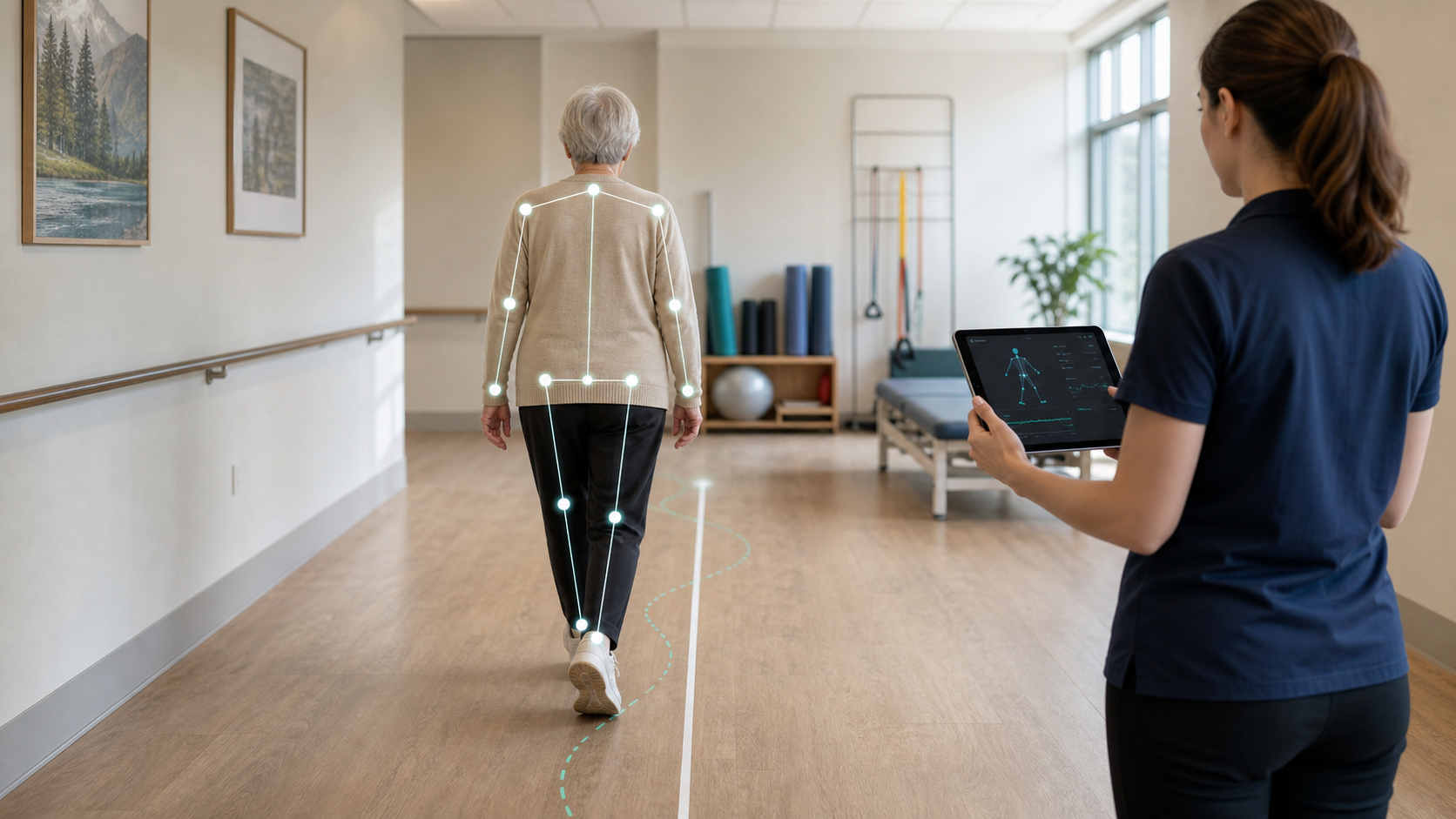
Automated movement quality assessment
Video-based pose estimation helps translate clinical observations of gait, posture and balance into structured assessment signals.
Privacy-first predictive AI for senior care
PreSense AI helps long-term care and senior living organizations identify elevated fall, frailty and cognitive decline risks before they become critical events.
Why it matters
Most care systems react after an incident occurs. But fall risk, frailty and functional decline often build up gradually through subtle changes in gait, posture, balance and daily movement.
Traditional alerts usually notify staff after an event, leaving limited time for prevention.
Devices can be forgotten, removed or rejected by residents, especially in long-term care environments.
Manual observation cannot continuously measure gait stability, balance trends or movement quality at scale.
Care teams need clear, actionable risk signals that help them focus attention where it matters most.
Platform overview
PreSense AI analyzes privacy-protected movement patterns at the edge, converting gait, posture, balance and activity signals into predictive risk scores and digital frailty indicators for care teams.
No resident wearables required.
Raw video stays local.
Anonymized skeletal data powers analytics.
Risk insights support proactive care workflows.
Core capabilities
Continuous, non-intrusive movement analysis without wearables, designed to preserve resident comfort and dignity.
Identify residents with elevated fall, frailty or functional decline risks using movement-derived signals and predictive analytics.
Track gait, posture, balance and mobility changes over time to support earlier intervention and outcome review.
Digital cognitive and micro-mobility training programs that can be adjusted based on AI-generated health metrics.
Assessment scenarios
The platform vision is informed by practical evaluation workflows from the source materials: objective movement quality assessment, activity energy monitoring, care-plan adjustment and community-based early intervention.
Video-based pose estimation helps translate clinical observations of gait, posture and balance into structured assessment signals.
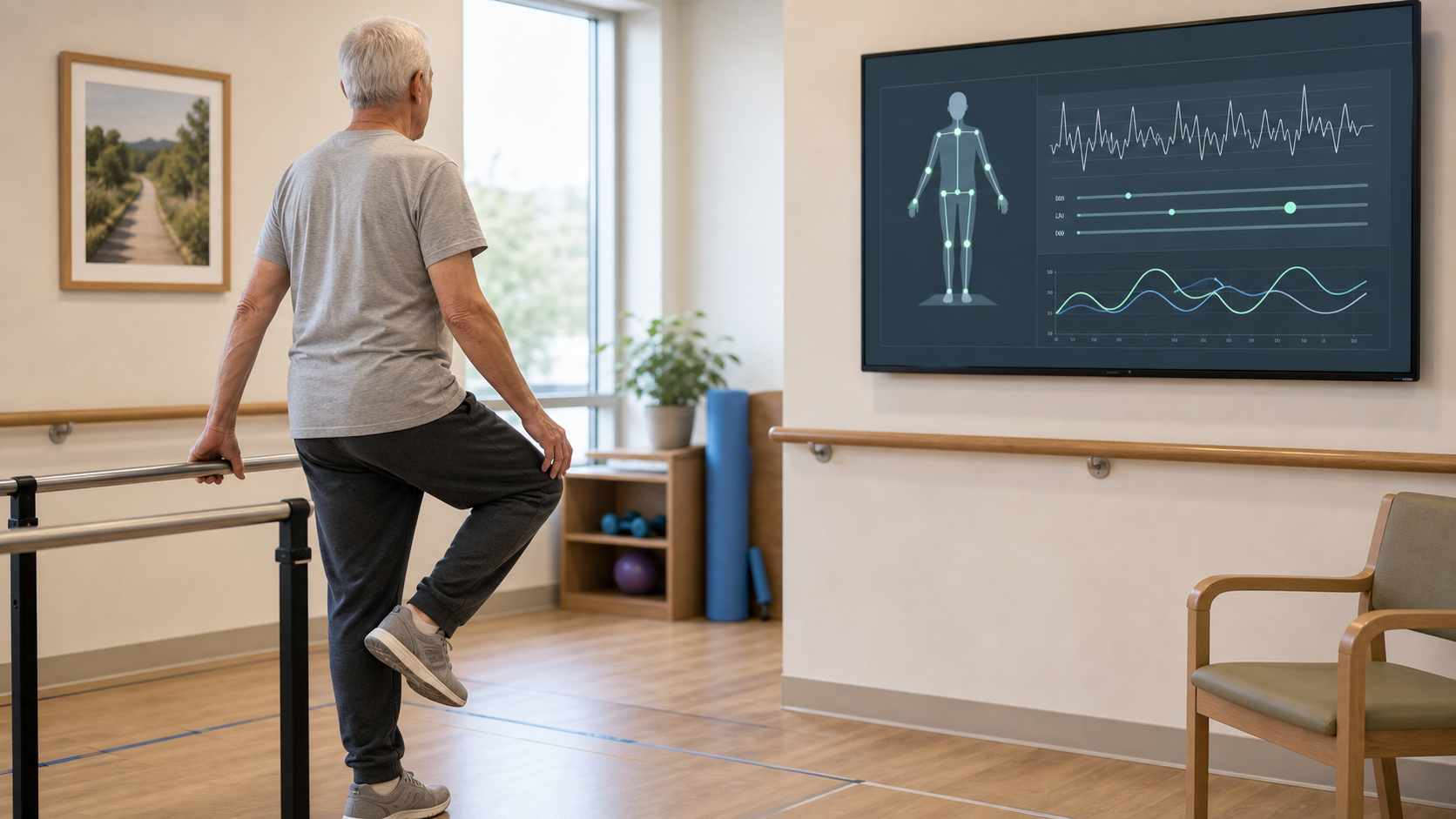
Simple repeated actions can be reviewed through keypoints, motion waveforms and temporal alignment to support objective quality evaluation.
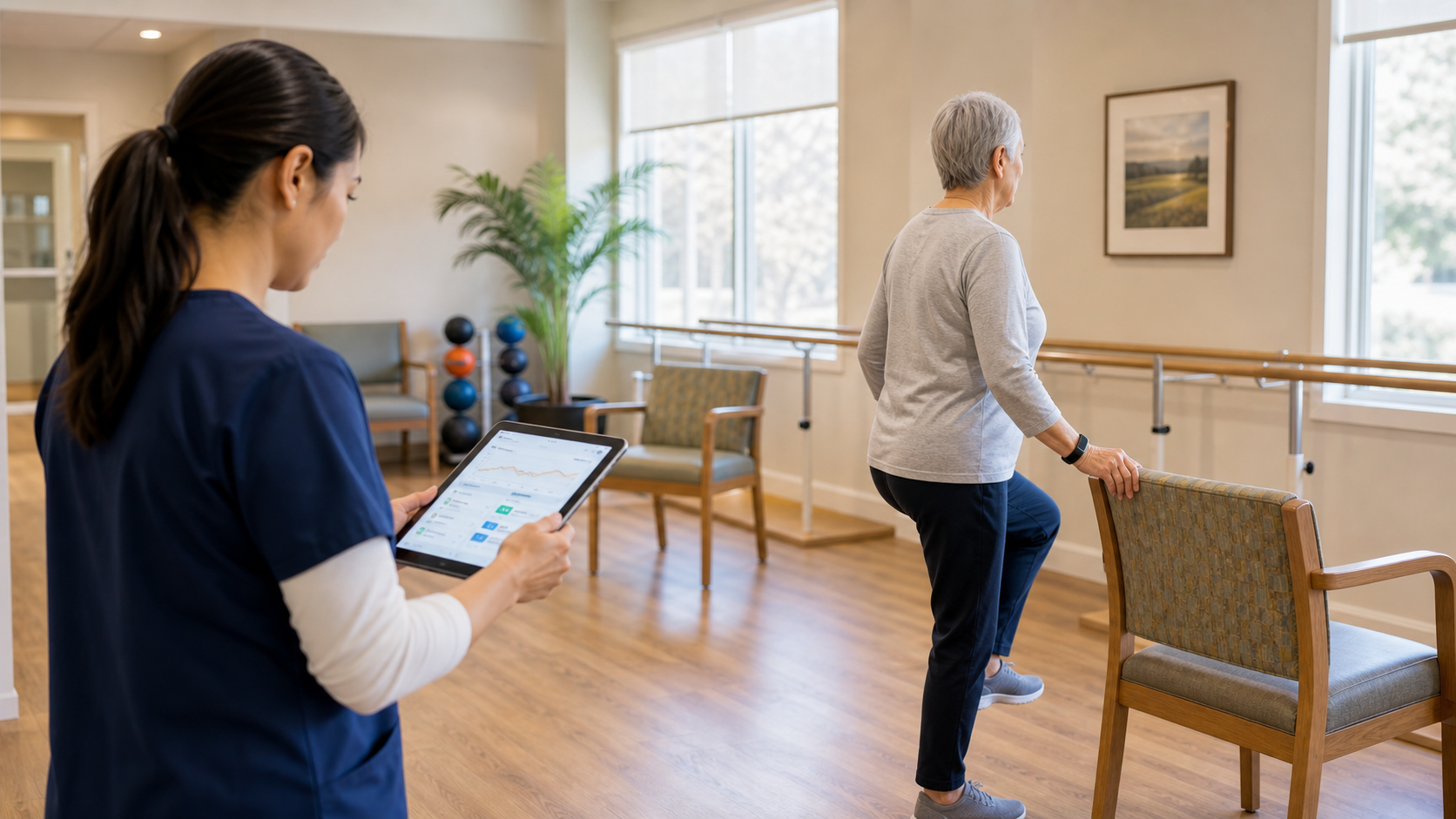
Activity signals can support exercise-plan adjustment, fatigue awareness and safer mobility programs for older adults.
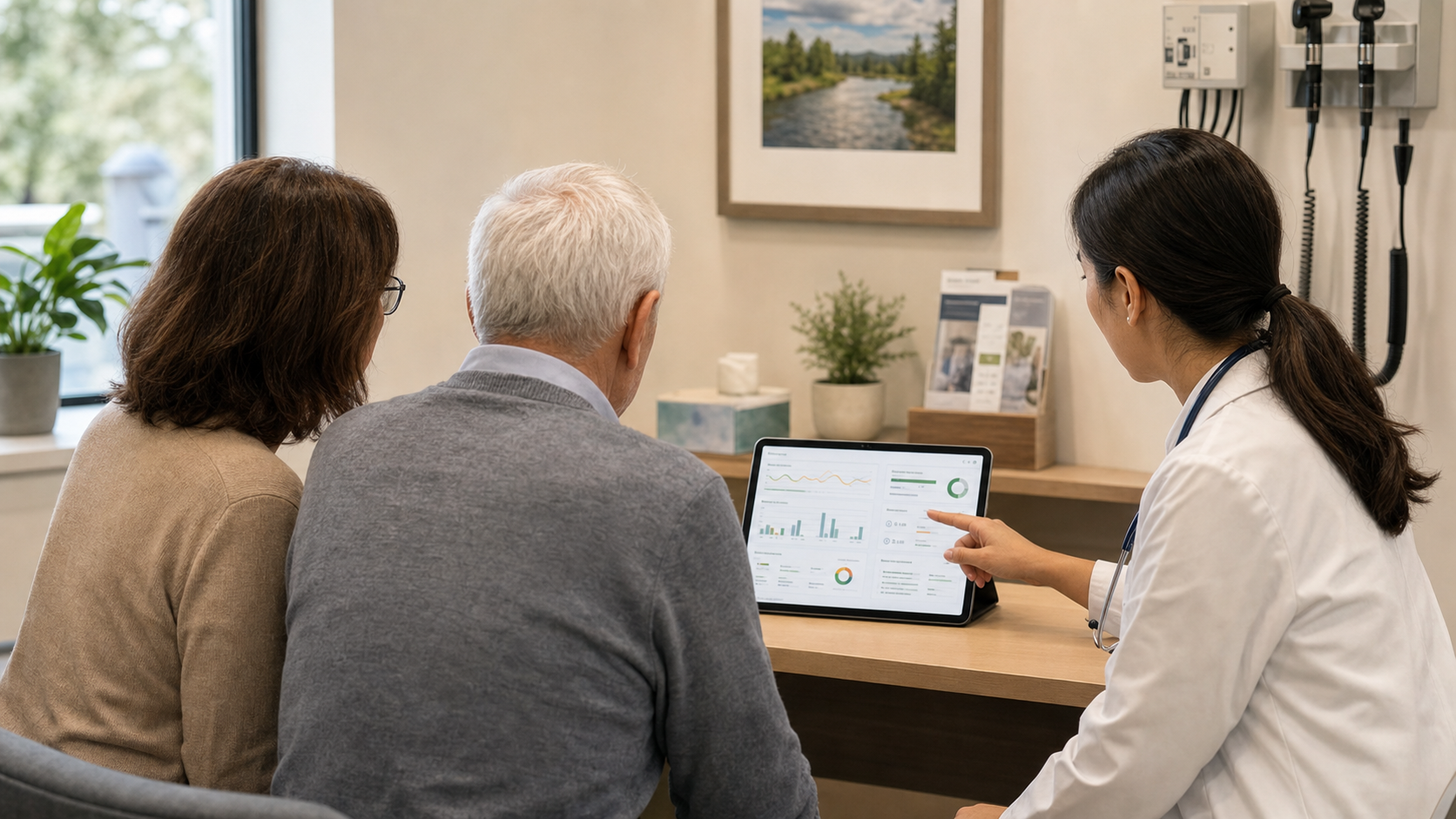
Objective mobility indicators can help family doctors and community care organizations coordinate earlier intervention.
Care loop
01
Passive movement capture at the edge.
02
Convert video into anonymized skeletal and motion-vector data.
03
Generate risk scores and digital frailty indicators.
04
Support care team actions and CogniDrive training programs.
05
Track changes after intervention and refine care plans.
Privacy by design
PreSense AI is designed to process visual data locally at the facility level. Raw video does not need to leave the edge unit. Analytics are based on anonymized skeletal and movement-vector data.
Privacy & complianceEdge processing
No raw video upload
Anonymized skeletal tracking
Canada-based analytics data
Technology
The platform is designed to turn movement into structured indicators through edge processing, skeletal tracking and predictive analytics.
Facility environment
Local processing
Anonymized signals
Care indicators
Care workflow
Use cases
Prioritize resident attention, support fall-risk workflows and monitor frailty trends.
Support independent living with privacy-preserving risk awareness and wellness engagement.
Provide objective movement indicators for earlier intervention and care coordination.
Enable structured movement analytics for validation, pilot programs and geriatric care innovation.
Partner with PreSense AI to explore privacy-first predictive analytics for your long-term care or senior living organization.